
Discover the latest OTT releases, streaming between February 23 and March 1.
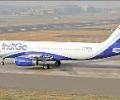
Two pilots working with private airlines were arrested here for allegedly procuring commercial flying licences using forged marksheets, taking the total number of people arrested in such cases to 17.
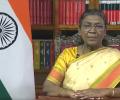
President Droupadi Murmu has approved gallantry awards to 93 armed forces personnel, including two Kirti Chakras and 14 Shaurya Chakras, on the eve of Republic Day. The Kirti Chakras, India's second-highest peacetime gallantry award, have been awarded to Major Manjit from 22 Rashtriya Rifles and posthumously to Naik Dilwar Khan, 28 Rashtriya Rifles. The president also approved 305 defense decorations to Armed Forces and other personnel.

On the 25th anniversary of the battle that made his war cry 'Dil Maange More' part of national lore, we republish that feature to salute Captain Batra's ultimate sacrifice for the nation.

The Maa Bharati Ke Sapoot Web site (www.maabharatikesapoot.mod.gov.in) will enable citizens to contribute to the Armed Forces Battle Casualties Welfare Fund

'Captain Haneef-ud-din, pulling his sinewy body forward, crawled, rifle in hand, in the snow on 6 June 1999. He died on this craggy mountainside exactly two years after he had passed out of the IMA...'
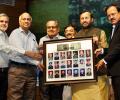
At a time when nationalism is a much-debated topic and the Armed forces' sacrifices are being ignored, a 'Wall of Heroes' at schools and colleges across the country to inspire the youth is a must, says Tarun Vijay.

Brigadier M P Bajwa (retd), commander of the troops that captured Tiger Hill, tells Rediff.com's Archana Masih how a band of young soldiers won the Kargil War's most famous battle with their blood and grit.

Corporal Nirala, disregarding personal safety and displaying indomitable courage, retaliated with effective lethal fire and gunned down two category A terrorists and injured two others.
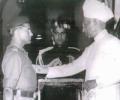
Decorated with a Vir Chakra for leading an attack that destroyed four tanks, Risaldar Ayub Khan shared a name with the Pakistani president who ordered the invasion of India in 1965. India's Ayub came from a family of soldiers and made his country proud.
 © 2026 Rediff.com - Advertise with us - Disclaimer - Privacy Policy - Sitemap - Feedback - About us - Terms of use - Grievances